What are section leaders?
Section leaders help their instrument sections stay organized, work together, and support each other during rehearsals.
Meet the section leaders
Section leader names will be added here. During rehearsals, section leaders help their group follow bowings, mark changes in the music, and prepare tricky passages.
- Violin I
- Violin II
- Viola
- Cello
- Double Bass
Lesson Schedule
Only this week’s lessons are shown. The schedule switches to the new week on Sundays.
Loading lessons…
Lesson Groups
Lesson group details will be posted here. Before your lesson, check the schedule for your group’s date, time, and location.
What to bring
- Your instrument and bow
- Your lesson music and a pencil
- One passage or question you’d like help with
Orchestra Sign-up
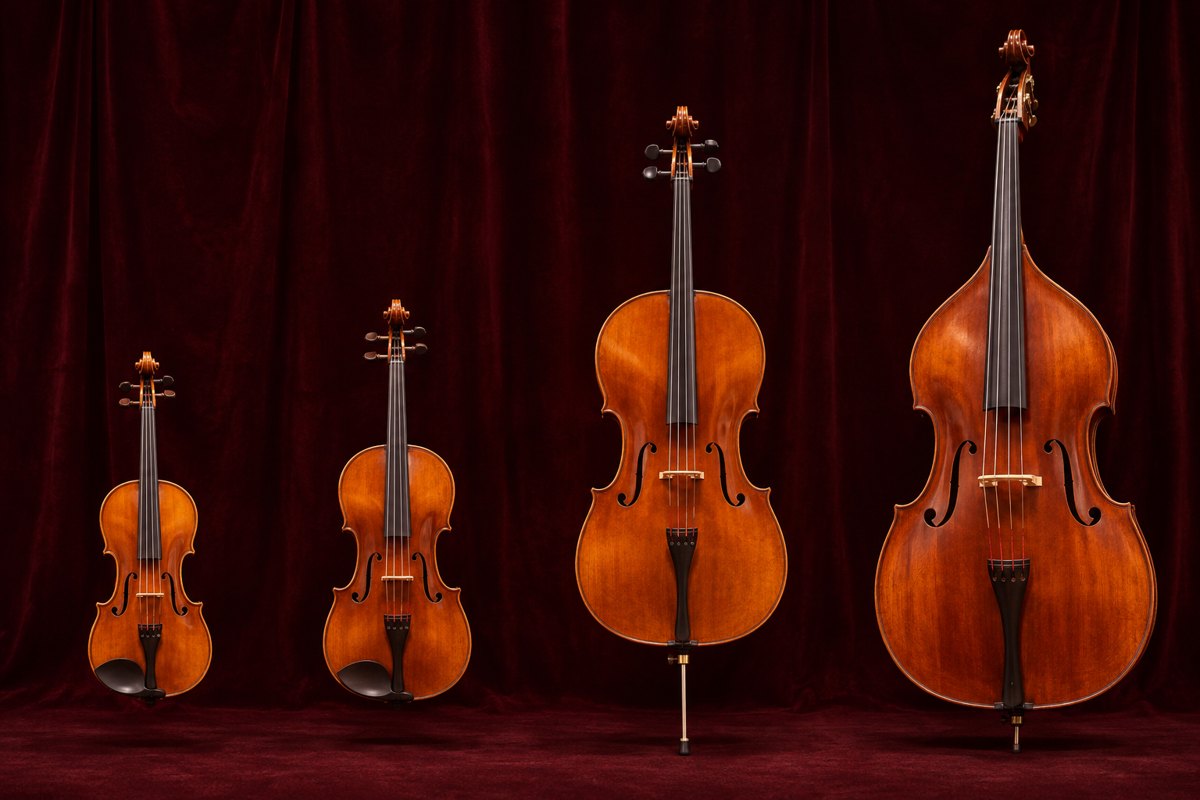
Sign-up instructions will be posted here. If you’re interested, take a look at the four string instruments and ask Mr. Buck about getting started or borrowing an instrument.
Explore the instruments →Concert Dates
Performance dates, locations, and arrival details.
Loading concerts…
District music calendar ↗
Before the concert
Check the performance time and any separate arrival instructions from Mr. Buck. Pack your instrument, bow, and music before you leave.
Meet the Strings
Four instruments, from the highest voice to the lowest.
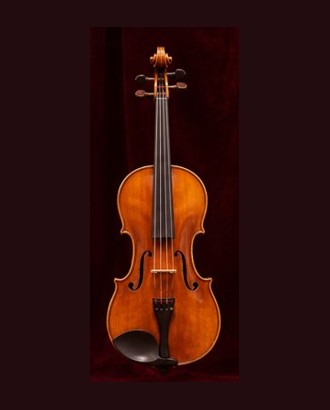
Violin
The smallest of the four, with a bright, high sound.
- Open strings, low to high
- G–D–A–E
- In the orchestra
- Violin I often carries the main tune. Violin II may play harmony, rhythmic figures, or a melody of its own.
- What to notice
- Listen for a high tune that rises above the rest of the strings.
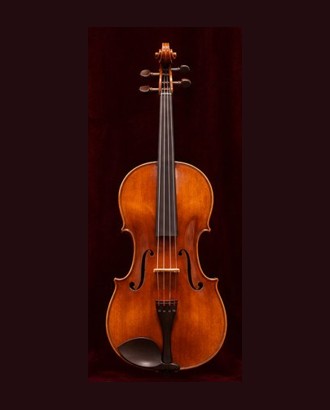
Viola
Slightly larger than the violin, with a warmer, lower sound.
- Open strings, low to high
- C–G–D–A
- In the orchestra
- Violas often fill in the middle of a chord. The low C string gives them a voice below the violin.
- What to notice
- Viola parts usually use alto clef, with middle C on the middle line.
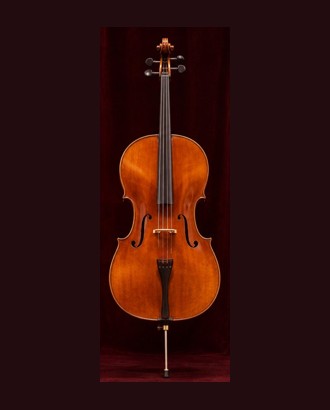
Cello
Played seated, with a rich sound that can carry a melody or bass line.
- Open strings, low to high
- C–G–D–A, one octave below viola
- In the orchestra
- The cello can anchor a chord with low notes or take over the melody. Its endpin rests on the floor while the player sits.
- What to notice
- Listen for the change when the cello moves from low accompaniment into a higher melody.
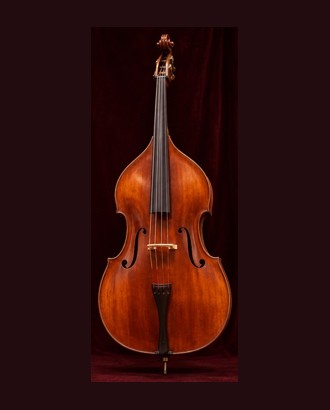
Double Bass
The largest and lowest instrument in the string section.
- Open strings, low to high
- E–A–D–G on a standard four-string bass
- In the orchestra
- Basses reinforce the bottom of the harmony and help establish the pulse. Players usually stand or sit on a tall stool.
- What to notice
- Unlike the other three, the standard double bass is tuned in fourths.
Bow or pluck?
All four can be played with a bow or plucked with a finger. In sheet music, pizzicato means to pluck, and arco tells players to return to the bow.
Musicians to Hear
Hear how four performers bring out the character of each string instrument.
- Hilary Hahn Violin
- Listen for how she makes several musical lines stand out in Bach’s solo violin works.
- Tabea Zimmermann Viola
- Listen for the contrast between the viola’s warm low register and its brighter high notes.
- Yo-Yo Ma Cello
- Try the Prelude from Bach’s First Cello Suite and notice how he shapes the repeating patterns.
- Edgar Meyer Double bass
- Listen for the double bass carrying a melody and moving beyond its usual role in the orchestra.
Meet the instruments →